Know the difference between DIY and professional help
Many cleanup tasks look simple, but moisture hides behind walls and under floors. A restoration specialist brings moisture meters, vibration-free extraction tools, and careful moisture management that a DIY approach can’t replicate. In Virginia, where seasonal changes swing moisture levels, relying on trained crews ensures the job is done right the first time.
DIY work may be suitable for small, contained moisture events with clear access. If water has spread beyond one room, involves insulation, or if you notice mold growth, it’s time to call a restoration specialist. Our crews across Virginia use proven methods to reduce secondary damage and stabilize humidity before long-term repairs begin.
The choice isn’t about who works faster; it’s about who can control the moisture, dryness, and air quality in a way that prevents future issues. A professional assessment can save time and money by avoiding repeated visits and patchwork fixes that fail under Virginia weather patterns.
What a professional assessment covers
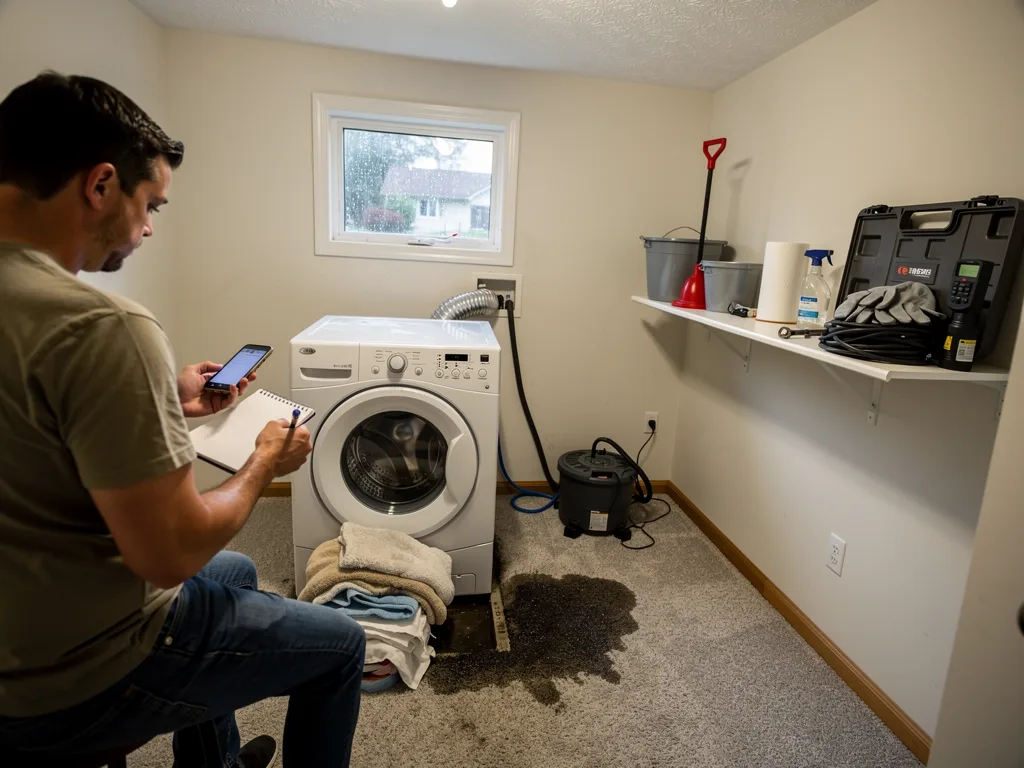
Restoration specialists perform a multi-step evaluation: determine the source of moisture, map affected areas, measure structural moisture, and identify porous materials that can harbor hidden damage. We create a tailored plan that includes containment, drying, and dehumidification for every home in Virginia, with attention to your family’s health and comfort.
Communication is part of the service. You’ll receive a written scope of work, a realistic timeline, and clear explanations of any uncertainties. That way, you know what to expect and when to expect it, no surprises along the way.
When to bringthe team in
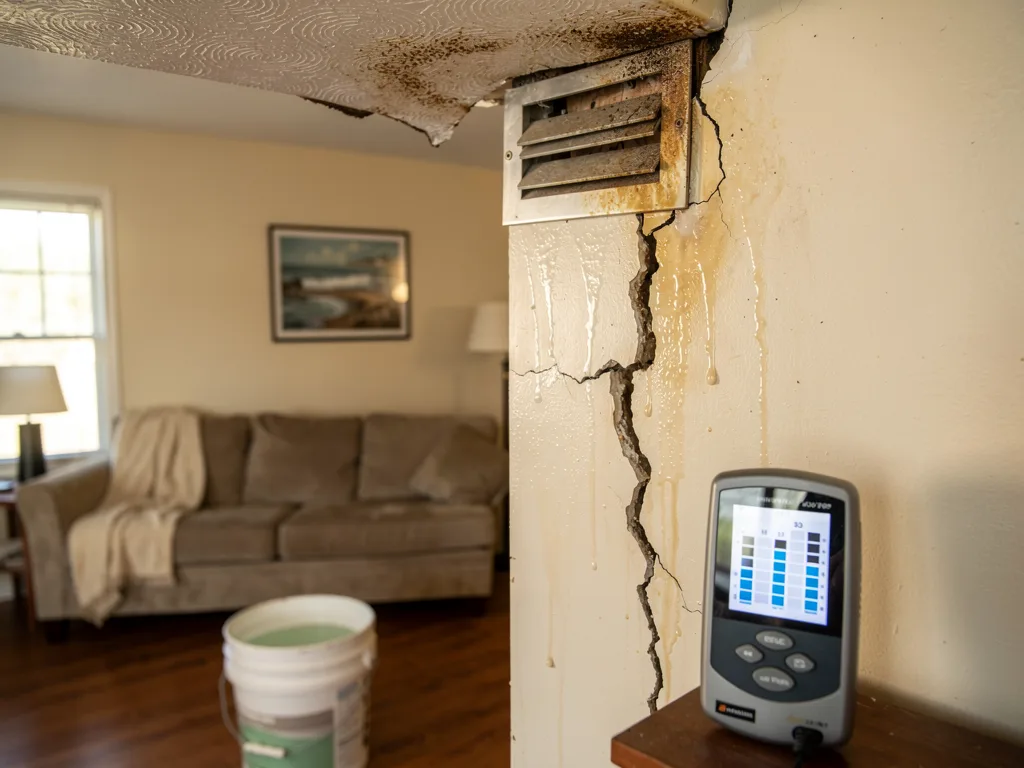
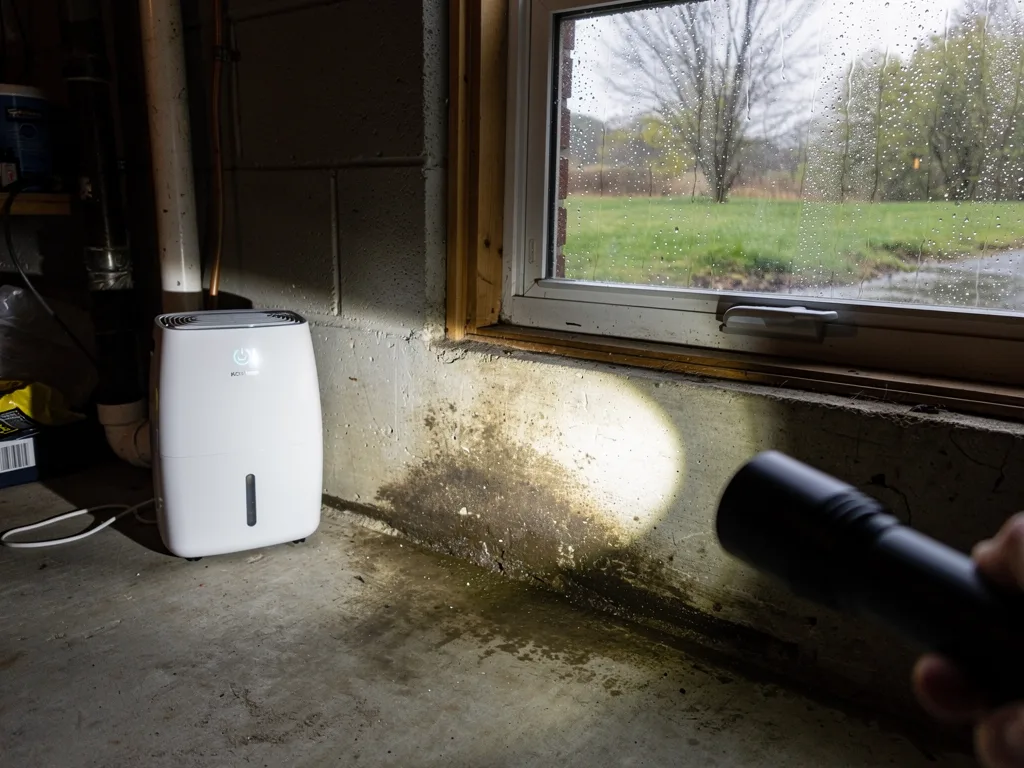
Consider calling a restoration specialist if you notice sustained dampness after a rain, a musty odor that won’t fade, or visible staining on ceilings and walls. Virginia Water Removal serves homeowners statewide, coordinating with you to minimize disruption while delivering thorough moisture control and safe conditions for the next phase of repairs.
Practical guidance for homeowners
Keep outlets and electronics away from damp areas, remove valuables from affected zones, and avoid using heat sources that can dry surfaces unevenly. If you’re unsure whether a unit is salvageable, a professional assessment provides an objective answer and a plan you can trust.