Understanding Virginia’s moisture cycle
Virginia experiences a wide range of weather. Summers bring humidity and potential for attic condensation. Winters bring freezing temperatures that can cause pipes to sweat and crack. Our restoration specialists see moisture travel from rooflines to basements across Virginia, so prevention matters year round.
Preventive care is simpler when you break it into steps you can follow monthly and seasonally. A steady routine helps you catch issues early and protect your home’s structure and finishes.
Seasonal actions that make a difference
Spring and early summer are prime times for leaks from roof interfaces and gutters. Clear debris, ensure downspouts direct water away from the foundation, and inspect flashing around chimneys and vents. Our crews in every Virginia metro can perform a quick exterior check that supports interior dryness and avoids wasted effort later.
In fall and winter, attention shifts to insulation and pipe protection. Seal gaps around doors and windows, insulate exposed plumbing in unheated spaces, and maintain consistent indoor humidity. A modest investment in weatherproofing reduces the chance of interior moisture problems during the heating season.
What to monitor year round
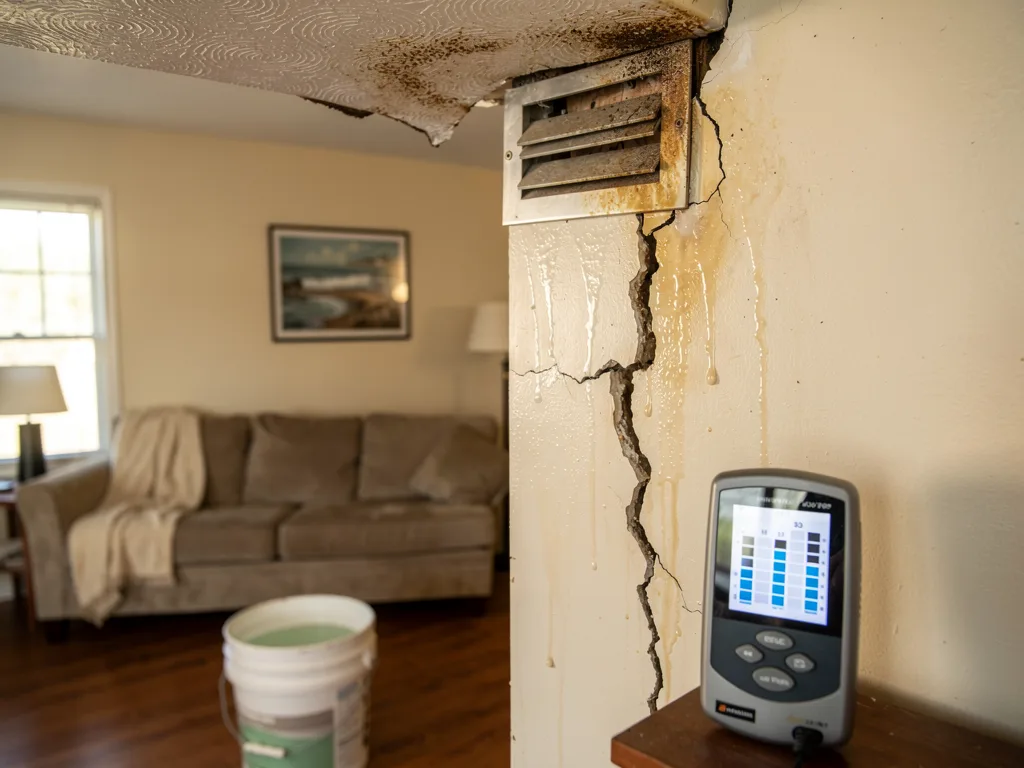
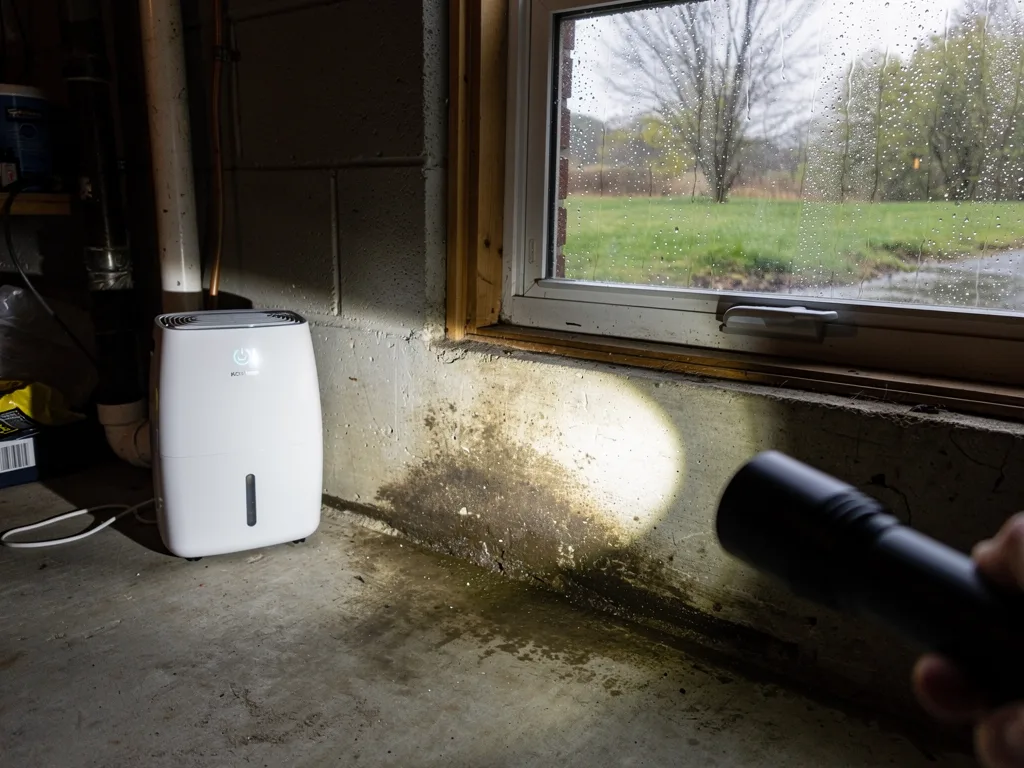
Keep an eye on ceilings and walls for staining or texture changes. A musty smell is often a sign that moisture has found its way behind surfaces. If you notice dampness after heavy rain or rapid temperature swings, call a restoration specialist to assess the extent of moisture and prevent hidden damage from spreading through the home.
Across Virginia, the goal is steady moisture control. Virginia Water Removal offers practical guidance, a clear plan, and a coordinated approach to drying and mitigation that fits homes across the state. We’ll tailor recommendations to your climate zone and home type so you stay ahead of trouble rather than chasing it.